Guaranteeing Food Safety: An Thorough Guide to Manufacturing Regulatory Standards in the Food Industry
Maintaining food safety is a critical obligation in the food industry. Compliance with set regulations safeguards public health and builds consumer confidence. Understanding the intricacies of these requirements is crucial for manufacturers. This guide details the foundational aspects of food safety compliance. It highlights key regulations, best practices, and the role of training. As the industry advances, new technologies could redefine standards. What implications might these changes have for future compliance initiatives?
Grasping the Significance of Safe Food Handling Adherence
Food safety adherence is essential for safeguarding public health and preserving consumer trust in the food supply. Observance of safety standards prevents foodborne illnesses, which can lead to serious health consequences for individuals and communities. Compliance involves strict practices, including proper handling, storage, and preparation of food, making sure that products are safe for consumption.
Also, food safety adherence upholds the integrity of the food supply chain by requiring transparency and accountability from producers. It establishes a climate of accountability among food manufacturers, prompting them to prioritize protective protocols throughout the production process.
In a crowded industry, businesses that emphasize adherence not only reduce hazards related to contamination but also strengthen their reputation among customers. This dedication can lead to increased customer loyalty and trust in their goods. In the end, understanding the significance of food safety compliance is vital for the health of consumers and the sustainability of the food industry.
Important U.S. Rules Impacting Food Manufacturing Adherence
Within the sector of food production, adherence to essential U.S. regulations is necessary for maintaining product safety and compliance. This involves an overview of FDA regulations, the deployment of Hazard Analysis Critical Control Point (HACCP) guidelines, and careful adherence to labeling requirements. Knowing these regulations is important for manufacturers looking to copyright industry standards and protect consumer health.
FDA Procedural Guidelines Primer
While traversing the intricacies of food manufacturing, grasping FDA regulations is crucial for adherence and safety. The Food and Drug Administration (FDA) oversees multiple aspects of food production, including labeling, ingredient safety, and good manufacturing practices. Key regulations include the Food Safety Modernization Act (FSMA), which prioritizes preventive controls to mitigate foodborne illness risks. Additionally, the Federal Food, Drug, and Cosmetic Act sets standards for food safety and quality. Compliance with these regulations demands manufacturers to establish rigorous documentation and monitoring processes. Non-compliance can lead to severe penalties, including recalls and legal action. As a result, staying informed about FDA regulations is essential for food manufacturers aiming to maintain consumer trust and safeguard public health.
HACCP Implementation Standards
Establishing Hazard Analysis Critical Control Point (HACCP) systems is critical for food manufacturers striving to enhance food security and compliance. This intentional blueprint identifies potential hazards in the production operation and establishes critical control points to curtail risks. Food manufacturers must conduct a thorough hazard analysis, discovering biological, chemical, and physical hazards associated with their products. Instituting critical limits for each control point is indispensable, along with monitoring procedures to guarantee adherence. Documentation proves a consequential role, requiring manufacturers to maintain records of their HACCP plans, monitoring activities, and corrective actions. Preparing employees on HACCP principles is also necessary for effective adoption. Adherence to these guidelines not only complies with U.S. regulations but also fosters consumer trust in food safety practices.
Tag Requirements Conformance
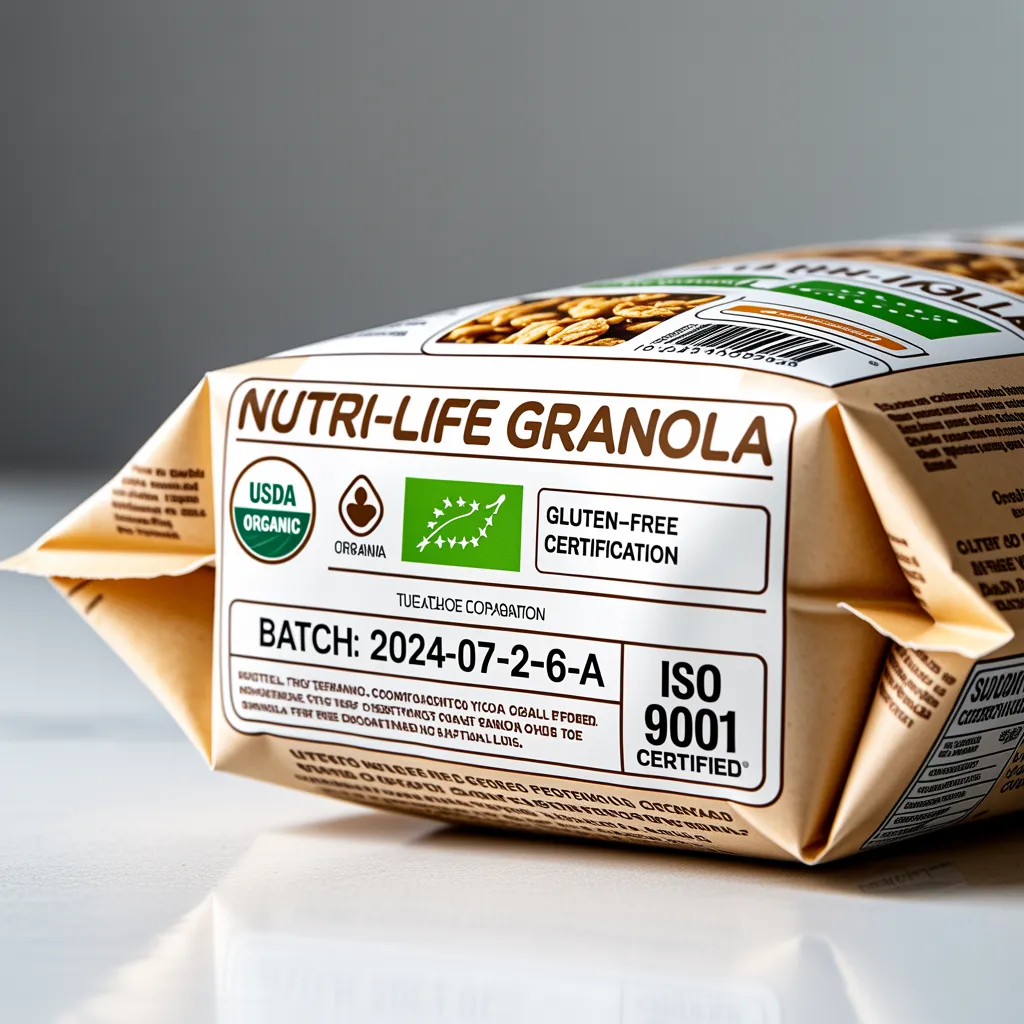
Labeling requirements are vital in food manufacturing compliance, as they ensure that consumers get accurate and transparent data about the goods they obtain. In the United States, the Food and Drug Administration (FDA) and the United States Department of Agriculture (USDA) impose stringent rules governing food labels. These rules cover essential aspects such as ingredient lists, nutritional information, allergen warnings, and product claims. Compliance with these labeling standards is critical, as failure to comply can cause significant legal consequences and harm consumer trust. Manufacturers must frequently assess and update their labels to reflect any changes in formulation or regulations. Therefore, adherence to labeling requirements is fundamental for maintaining both consumer safety and brand integrity in the food industry.
Optimal Techniques for Confirming Food Safety Compliance
To guarantee food safety compliance, organizations must establish regular hygiene training programs for all staff members. Additionally, strict oversight procedures should be put in place to track and copyright safety standards throughout the manufacturing operations. These practices are critical for minimizing risks and building a safety-conscious environment within the food industry.
Routine Cleanliness Instruction Initiatives
While food safety adherence is vital for any food establishment, consistent hygiene educational initiatives serve as a core component in achieving this goal. These programs guarantee that all employees are proficient in the latest hygiene procedures, including proper handwashing techniques, proper food management, and cross-contamination prevention. Ongoing education helps to strengthen a culture of safety and awareness, significantly reducing the risk of foodborne illnesses. Furthermore, regular updates to training materials keep staff informed about evolving regulations and best practices. Implementing a structured method to hygiene training, including assessments and refresher courses, can further enhance compliance. Ultimately, investing in these programs not only meets regulatory requirements but also fosters consumer trust and satisfaction.
Rigorous Quality Control Measures
Strict quality management procedures are critical for maintaining high standards in food safety compliance. These measures cover a systematic approach to monitoring and evaluating every phase of food production, from raw material sourcing to final product distribution. Implementing rigorous testing protocols makes certain that products meet safety standards and are free from contaminants. In addition, regular audits and inspections play a key role in identifying potential hazards and non-compliance issues before they escalate. Staff training on quality assurance practices supports the importance of vigilance in food safety. By fostering a culture of accountability and continuous improvement, manufacturers can effectively mitigate risks, enhance product quality, and copyright compliance with regulatory requirements, ultimately defending consumer health and maintaining brand integrity.
Common Food Safety Issues and How Can They Be Mitigated?
Numerous food safety threats can endanger public health, making it critical to identify and control these threats. Typical hazards comprise biological, chemical, and physical contaminants. Microbial dangers, such as bacteria, viruses, and parasites, commonly stem from inadequate food handling or insufficient cooking. Prevention tactics involve complete cooking, suitable cold storage, and consistent handwashing.
Chemical hazards often proceed from pesticide residues, cleaning agents, or food additives. To sidestep these risks, manufacturers should implement strict guidelines for chemical use and confirm extensive ingredient labeling.
Physical hazards involve unwanted materials including glass, metal, or plastic that may inadvertently enter food products. Implementing strict quality control measures and using proper containment methods can help minimize these risks. By recognizing and addressing these common hazards, food manufacturers can improve product safety, guaranteeing that the products reaching consumers are secure and meeting health regulations.
Why Education Is Crucial for Food Safety Adherence
Effective training is essential for ensuring food safety adherence, as it equips employees with the knowledge and competencies necessary to recognize and address potential hazards. Extensive training initiatives foster a atmosphere of food safety within organizations, empowering staff to comprehend guidelines and industry standards. When employees are properly educated, they can successfully detect hazards such as cross-contamination, improper storage, and insufficient sanitation procedures.
Moreover, instruction ensures that employees are aware of the significance of individual cleanliness and its effect on food safety. Regularly updated training programs are essential to stay aligned with evolving regulations and industry standards. This ongoing learning not only improves adherence but also decreases the likelihood of food-related diseases, protecting both customers and the brand's image. Ultimately, committing resources to comprehensive instruction is a proactive measure that strengthens the complete food safety system within a organization.
Methods for Documenting and Communicating Food Safety Properly
A extensive training curriculum not only supplies team members with understanding but also underscores the necessity of written records in food protection protocols. Effective record-keeping serves as a crucial mechanism for maintaining adherence and ensuring answerability. Employees should be trained to correctly log important data, such as source materials, processing methods, and cleaning practices.
Regular audits of these information can help identify potential obstacles and spaces for betterment. Moreover, establishing a clear reporting system enables swift communication of food safety issues, allowing for timely remedial actions. Documentation should include incident reports, corrective actions taken, and proof of adherence with safety protocols.
Using digital tools can streamline this process, rendering information easily accessible and structured. In the end, robust record-keeping and communication procedures cultivate a culture of safety, encouraging openness and confidence among customers and regulatory bodies alike. This organized method is critical for upholding the top-tier quality in food safety compliance.
Upcoming Patterns in Food Safety Compliance and Technology
Emerging trends in food safety compliance and technology are transforming the landscape of the industry. The incorporation of artificial intelligence and machine learning is enhancing predictive analytics, allowing manufacturers to detect potential hazards before they worsen. Blockchain technology is becoming a crucial tool for guaranteeing transparency in supply chains, enabling traceability from farm to table. Additionally, the adoption of IoT devices is facilitating real-time monitoring of environmental conditions, ensuring that food products are kept and transported under ideal conditions.
In addition, government agencies are increasingly emphasizing digital reporting systems, streamlining compliance processes. As public consciousness grows, there is a heightened demand for enhanced food safety certifications, driving organizations to adopt stricter requirements. Finally, the focus on environmental stewardship is prompting innovations in container solutions and refuse handling, increasingly merging food professional guide safety with ecological accountability. Overall, these trends signify a revolutionary period in food safety compliance, propelled by technology and evolving consumer expectations.
Commonly Requested Questions
Which Credentials Can Be Obtained for Food Security Adherence in Industrial Operations?
Many qualifications are available for food safety adherence in production, including ISO 22000, HACCP, SQF, BRCGS, and FSSC 22000. Each certification emphasizes various elements of safety, quality, and regulatory compliance within the food manufacturing process.
How Can Small Businesses Pay for Compliance Measures?
Small companies can manage compliance measures by focusing on affordable educational programs, obtaining financial assistance, implementing efficient systems, and collaborating with industry associations for resources, thereby reducing costs while upholding essential food safety standards.
In what way Can Consumers Play a role to Food Safety?
Consumers remain an essential part in food safety by demanding transparency and high standards. Their buying habits encourage manufacturers to underscore compliance, generating a safer food environment while bolstering accountability and quality throughout the food supply chain.
How Schedule Should Food Safety Audits Be Held?
Food safety assessments should be conducted at least once a year, though more regular inspections—quarterly or biannually—are advantageous for identifying potential hazards and ensuring compliance with standards, ultimately enhancing overall food safety procedures within the operation.
What Procedures Should I Execute if a Food Safety Violation Is Identified?
If a food handling breach is found, urgent remedial action must be executed. This requires noting the concern, informing appropriate teams, instituting required modifications, and performing ongoing reviews to guarantee compliance and stop it from happening again.